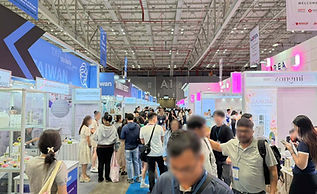
Preparing for an Industrial Exhibition in Vietnam
Vietnam has become an important destination for businesses looking to connect with manufacturers, distributors, and industry professionals in Southeast Asia. For foreign companies, participating in an industrial trade show can open doors to new business opportunities, potential partners, and a better understanding of the local market.
However, a successful exhibition requires more than simply booking a booth and displaying products. From choosing the right event to coordinating local arrangements, careful preparation can make a significant difference.
Here are five important things foreign businesses should prepare before exhibiting at an industrial trade show in Vietnam.
-
Choose the Right Exhibition for Your Business
-
Design a Booth That Suits Your Product
-
Understand Local Regulations and Logistics
-
Prepare Your Team and Communication Materials
-
Set a Realistic Budget and Choose a Reliable Local Partner
1. Choose the Right Exhibition for Your Business
Not every exhibition will reach the audience your business wants to connect with. Before committing to an event, consider whether its industry focus, visitor profile, and business objectives align with your products and target market.
Start by researching the exhibition's main sectors, participating companies, expected visitors, and previous editions. Check whether the event attracts the people you want to meet, such as manufacturers, distributors, purchasing managers, or technical specialists.
It is also helpful to review the exhibition's scale, location, and schedule to determine whether it fits your business goals and resources.
Tip: Define your main objective before choosing an exhibition. Are you looking to generate sales leads, find local distributors, introduce a new product, or strengthen your brand presence in Vietnam? A clear goal will help you make better decisions throughout the planning process.
2. Design a Booth That Suits Your Products

An exhibition booth is more than a space to display products. It is an opportunity to communicate your brand, demonstrate your capabilities, and help visitors understand what your business offers.
For industrial exhibitors, booth design should reflect the nature of the products on display. Machinery and large equipment may require sufficient floor space, clear viewing angles, and practical arrangements for demonstrations. Smaller components or technical products may benefit from well-organized displays, product information panels, and dedicated discussion areas.
Your booth should also communicate key information clearly. Use consistent branding, readable graphics, and concise messaging so visitors can quickly identify your company and understand your main offerings.
Before finalizing the design, consider the available booth space, product dimensions, electrical requirements, and any demonstration or installation needs. Sharing these details with your booth design team early can help avoid unnecessary adjustments later.
Tip: Prioritize both visual impact and functionality. A well-planned booth should attract attention while making it easy for visitors to view products, ask questions, and interact with your team.
3. Understand Local Regulations and Logistics

Exhibiting in another country means working with a different set of venue procedures, operational requirements, and logistical arrangements. Understanding these details early can help reduce delays and unexpected costs.
Before the event, confirm the organizer's and venue's requirements for booth construction, installation and dismantling schedules, access passes, electrical connections, safety measures, and other technical arrangements relevant to your booth.
If you plan to bring machinery, product samples, or demonstration equipment from overseas, check the applicable shipping, customs, import, and handling requirements in advance. Depending on the products and the nature of the shipment, additional documentation or arrangements may be necessary.
It is also important to plan transportation, storage, delivery times, and on-site access for materials and equipment. Requirements can vary by exhibition, venue, and product type, so always verify the latest information with the organizer and relevant service providers.
Tip: Create a checklist of deadlines, required documents, responsible parties, and delivery arrangements. Confirming these details early can make coordination much smoother as the exhibition approaches.
4. Prepare Your Team and Communication Materials

Your booth may attract visitors from different backgrounds, industries, and countries. Preparing your team and communication materials in advance helps ensure that potential customers can understand your products and follow up with your business after the event.
Start by identifying the key information your team needs to communicate, including your company's capabilities, product specifications, applications, and competitive advantages. Prepare clear product brochures, company profiles, presentation materials, and contact information in English. Depending on your target audience, Vietnamese-language materials may also be useful.
For technical products, consider preparing product diagrams, specifications, demonstration videos, or application examples to help visitors understand complex information more easily.
Your booth staff should also know how to introduce the company, answer common questions, identify potential leads, and record visitor information for follow-up. If your team is unfamiliar with the local market or language, consider arranging interpretation or local communication support where needed.
Tip: Agree on a simple lead-collection and follow-up process before the exhibition. Recording each visitor's interests and next steps can help turn conversations at the booth into meaningful business opportunities.
5. Set a Realistic Budget and Choose a Reliable Local Partner

A successful exhibition budget should cover more than the booth rental fee. Foreign exhibitors also need to consider booth design and construction, graphics, furniture and equipment, shipping, travel, accommodation, staffing, installation, dismantling, and other event-related expenses.
The final cost will depend on the exhibition, booth size, design complexity, products on display, and the level of support required. It is therefore important to define your priorities and establish a realistic budget before requesting quotations.
A reliable local partner can help you understand the practical requirements of exhibiting in Vietnam, coordinate with relevant service providers, and communicate with the venue or construction team. This is particularly valuable when your company is managing the project from overseas.
When selecting a partner, look beyond price alone. Review relevant project experience, communication practices, scope of work, quotation details, and the level of on-site support provided. Make sure responsibilities are clearly defined so that everyone understands who is handling each part of the project.
Tip: Ask for a detailed quotation that separates essential costs from optional items. This makes it easier to compare proposals, prioritize spending, and make informed decisions without compromising the key requirements of your booth.
Make Your Next Exhibition in Vietnam a More Confident Experience
Participating in an industrial trade show in Vietnam can be a valuable opportunity for foreign businesses, but good preparation is essential. Choosing the right exhibition, planning a functional booth, understanding local requirements, preparing your team, and managing your budget can help you approach the event with greater confidence.
At Degilog Vietnam, we support businesses exhibiting in Vietnam through booth design, graphic coordination, construction coordination, and on-site support. By working closely with our clients and local teams, we help connect the initial design concept with its implementation at the exhibition venue.